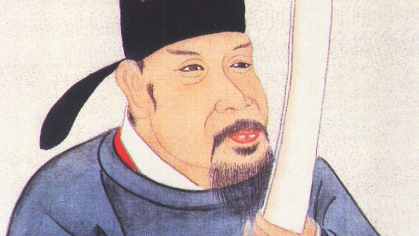
Zeng Gong
Introduction
Zeng Gong (1019–1083) was a prominent figure in the Northern Song Dynasty (960–1127), celebrated for his contributions as a politician, prose writer, essayist, and poet. He is widely regarded as one of the Eight Great Prose Masters of the Tang and Song Dynasties, a title that underscores his literary excellence and influence on Chinese prose. As a key supporter of the New Classical Prose Movement, Zeng championed the idea that prose should serve as a medium for elucidation rather than being overly adorned with rhetorical flourishes. Over the course of his life, Zeng Gong authored approximately 400 poems and numerous essays, earning the admiration of his contemporaries and later scholars alike. His works have left an indelible mark on Chinese literature and historiography, and his philosophical insights continue to resonate in discussions of governance and culture.
Early Life
Zeng Gong was born in 1019 in Nanfeng county, located in East China's Jiangxi province. His early life was shaped by the intellectual and cultural environment of the Song Dynasty, which emphasized education, scholarship, and the pursuit of literary excellence. Zeng Gong's family background and upbringing played a significant role in fostering his intellectual curiosity and literary talents. From a young age, he demonstrated a keen interest in classical Chinese literature and philosophy, which later became the foundation of his career as a writer and thinker.
In 1057, Zeng Gong achieved the prestigious title of "jinshi" by passing the imperial examination, which was considered the pinnacle of academic success in ancient China. This year was particularly notable in the history of the imperial examination, as it saw the emergence of several illustrious figures, including Su Shi, Su Zhe, and Zeng Gong himself. The examination not only marked the beginning of Zeng Gong's official career but also solidified his reputation as a scholar of exceptional merit.
Career and Achievements
Literary Contributions
Zeng Gong's literary achievements are among the most celebrated aspects of his career. As a leading figure in the New Classical Prose Movement, he advocated for a return to the clarity and precision of classical prose, opposing the ornate and overly rhetorical styles that had become prevalent. His essays and prose works are characterized by their lucid expression, logical structure, and profound insights into human nature and governance.
One of Zeng Gong's most renowned works is "On the Ink Pond" ("Mo Chi Ji"), a prose piece in which he attributes the success of the great calligrapher Wang Xizhi to diligence and hard work. This essay exemplifies Zeng's belief in the importance of perseverance and intellectual rigor, values that he upheld throughout his life. His literary output includes approximately 400 poems, which reflect his philosophical musings, observations of nature, and reflections on society.
Political Career
In addition to his literary accomplishments, Zeng Gong had a distinguished career as a politician and scholar-official. His role in the Song Dynasty's administration allowed him to apply his philosophical principles to governance. Zeng Gong believed that the study of history could illuminate the path to effective governance, a view he articulated in his writings. His emphasis on historical perspective and cultural heritage influenced the intellectual discourse of his time and contributed to the development of Chinese historiography.
Zeng Gong's political career was marked by his dedication to ethical governance and his efforts to promote cultural and intellectual development. His writings often addressed issues of social justice, moral integrity, and the responsibilities of scholar-officials, reflecting his commitment to the well-being of society.
Historical Influence
Zeng Gong's influence extended beyond his lifetime, shaping the intellectual and cultural landscape of China for centuries. His works were widely studied and admired by later generations of scholars, who regarded him as a paragon of literary and philosophical excellence. The principles he espoused in his writings, such as the importance of historical awareness and cultural confidence, continue to resonate in contemporary discussions of Chinese civilization.
Philosophical and Cultural Views
Zeng Gong's philosophical views were deeply rooted in Confucian principles, emphasizing the importance of morality, education, and social harmony. He believed that literature and history were essential tools for understanding human nature and guiding governance. His writings often explored themes of diligence, perseverance, and the pursuit of intellectual and moral excellence.
Culturally, Zeng Gong was a proponent of preserving and promoting traditional Chinese heritage. He viewed cultural identity as a cornerstone of national unity and intellectual progress. His essays and poems reflect a profound appreciation for the richness of Chinese civilization and its enduring legacy.
Legacy
Zeng Gong's legacy is celebrated in various ways, particularly in his birthplace, Nanfeng county. The region has undertaken significant efforts to honor his contributions, including the renovation of his grave and the establishment of a memorial temple. Cultural activities, such as exhibitions, seminars, and art festivals, have been organized to commemorate his achievements and introduce his legacy to a broader audience.
The Zeng Gong Cultural Research Committee has published studies on his literary accomplishments, and his works have been compiled into collections that provide insights into his biography, essays, poetry, and family history. These initiatives aim to preserve and promote Zeng Gong's contributions to Chinese culture and literature.
Zeng Gong's influence is also evident in the broader context of Chinese intellectual history. His emphasis on historical perspective and cultural confidence has inspired generations of scholars and leaders. As one of the Eight Great Prose Masters of the Tang and Song Dynasties, Zeng Gong remains a symbol of literary excellence and philosophical depth, embodying the values of diligence, integrity, and intellectual rigor.








